

Modern teams pride themselves on speed. Short meetings, quick cycles, and streamlined rituals are designed to keep momentum high. On paper, it looks efficient: the stand-up stays within 15 minutes, the planning session is wrapped in two hours, and retrospectives end right on schedule.
But beneath the surface, another story unfolds. Conversations are cut mid-thought. Insights surface but are pushed aside in the name of timing. Complex issues get logged, only to be revisited sprint after sprint without resolution.
This is the hidden cost of working fast: unfinished conversations.
Teams Stuck in Mid-Sentence
In many environments, the cadence of rituals shapes the way people talk. Stand-ups focus on progress updates, but when a blocker sparks meaningful discussion, the timer shuts it down. Retrospectives raise real pain points, but there’s rarely space to explore them deeply. Even backlog refinement turns into speed dating with tasks – quick assessments, then on to the next.
The very structure that keeps teams moving forward also fragments the dialogue that builds real understanding. People leave meetings with half-finished thoughts, carrying them into Slack threads, side chats, or nowhere at all.
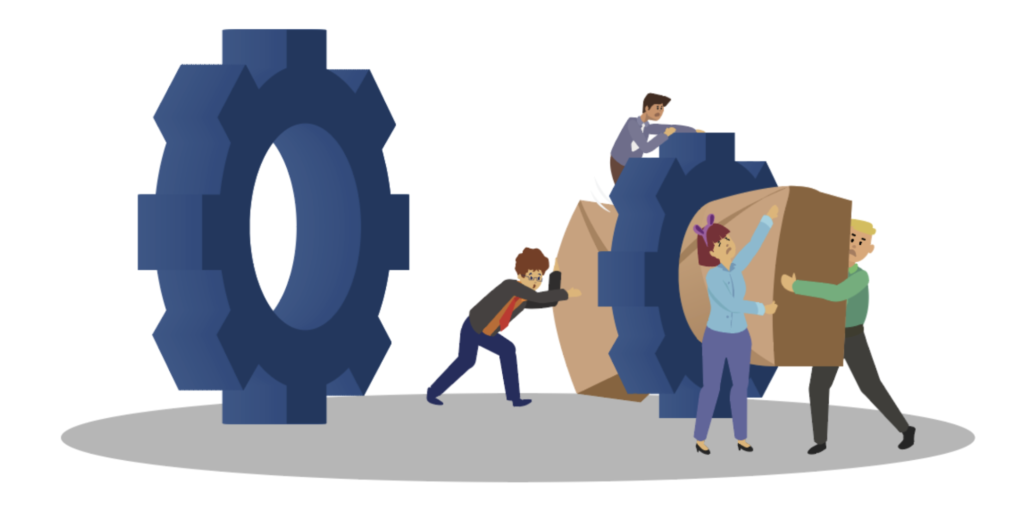
Process is meant to help, not to hold teams back. A process that works balances flow with depth. It ensures progress without suffocating the very conversations that unlock collaboration, creativity, and innovation.
The problem arises when the process itself becomes too rigid. Timeboxes and cadences prevent drift, but they also make it easy to push the harder issues out of view. Recurring misalignments stay unresolved. Cross-team challenges are noted but never addressed. Questions linger sprint after sprint because the space to answer them doesn’t exist.
In this way, the process stops supercharging teams and starts limiting them.
Living in a world of unfinished conversations creates what might be called an attention tax. Everyone moves forward, but not with full clarity. Teams are busy, but often not aligned. Issues feel familiar because they reappear in cycle after cycle, never fully solved.
The charts may show progress. The backlog may shrink. Yet underneath, there’s fatigue – an unspoken frustration that the important conversations always seem to stop mid-sentence.
The answer is not in abandoning the structure. Without guardrails, discussions can spiral endlessly. The solution lies in recognizing when speed undermines depth, and making deliberate space for the conversations that matter most.
Practical ways to strengthen the process include:
A process that works doesn’t measure success only by how short meetings are. It measures success by how well conversations translate into shared understanding, decisions, and meaningful action.
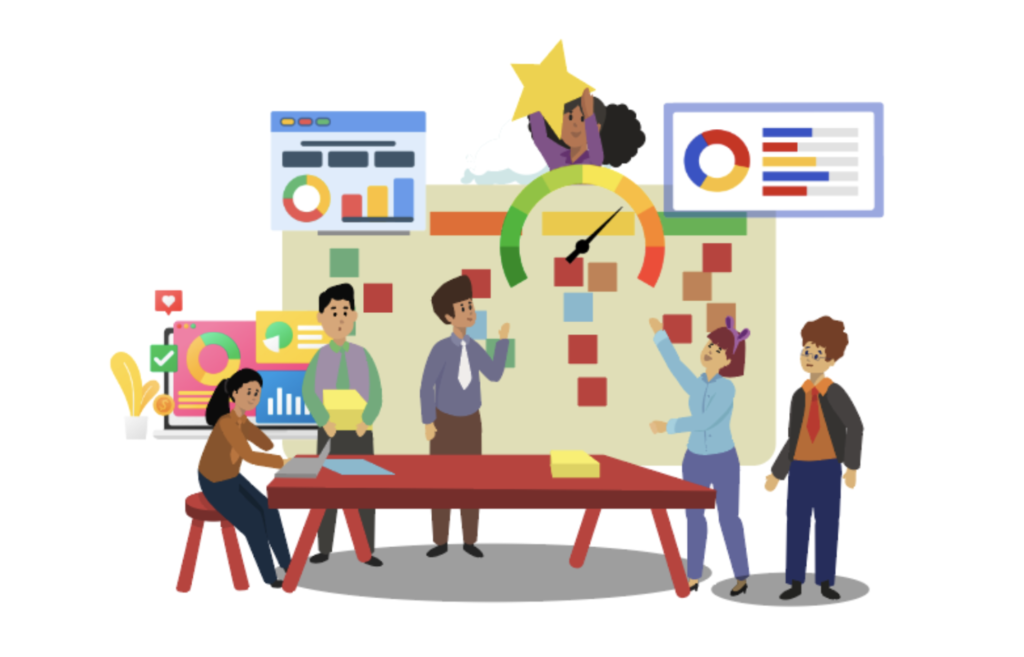
Technology and tools can either magnify the problem or help solve it. When teams rely only on dashboards and trackers, dialogue becomes secondary, and unfinished conversations multiply. But when tools are used to capture insights, structure deeper collaboration, and keep discussions alive between rituals, they can extend the value of face-to-face time.
The goal is not to replace dialogue but to ensure it continues – sustained, accessible, and actionable.
Speed is important. Flow is necessary. But when every conversation is cut short in service of moving fast, the team pays a hidden cost: partial understanding, recurring mistakes, and shallow alignment.
Supercharging teams is not only about keeping the pace high. It’s also about creating a rhythm where dialogue runs deep enough to fuel real progress. When process and tools serve that purpose, teams don’t just move quickly – they move together, with clarity and impact.
This post combines the author’s personal thoughts, ideas, and experiences, with some refinement provided by our Agile Bot AgiNomi.
If you’re leading a high-stakes initiative – in tech, AI, or innovation – OutcomeEdge is here to make sure it actually lands.
We partner with visionary leaders ready to move fast, align their teams, and deliver real impact.
You’ve got great people. But results are stuck. Our Outcome Discovery workshop reveals the root causes behind delivery slowdowns, misaligned priorities, and team fatigue.
Too many teams are overbuilt, underpowered, or unclear. We help you design outcome-focused pods: right size, right skills, right rituals.

Agile Coach
I’m a leader who serves as an Agile Coach in organizations.
I help senior leadership plan long-term strategic decisions while embracing the Agile mindset.
I also work with teams to help them become self organizing on their journey of providing value to the customers.
I see my clients as creative, resourceful, and whole and I’m here to walk alongside them to achieve business outcomes.

Transformation Partner (Agilonomics)
Amitabh (Amit) Sinha is a global transformation leader who helps organizations supercharge their teams and eliminate dysfunctions. Drawing on Patrick Lencioni’s Five Dysfunctions of a Team framework, Amit guides teams to move up the maturity curve—building trust, fostering accountability, and aligning around outcomes.
As Founder of Agilonomics, he has enabled Fortune 500 companies and high-growth organizations to set up teams the right way—establishing processes that actually work, scaling collaboration across business and technology, and introducing the right tools with the right practices.
In partnership with Recro, Amit ensures that every team built through Recro is not only staffed with top talent, but also equipped to function as one unit, deliver consistently, and create lasting impact.