

As a self-proclaimed Scrum Master whisperer, I’ve chatted and worked with more development teams than I can count. As a result, I’ve experienced a wide diversity of Product Owners. From the good, the bad, to the downright ugly – I’ve seen it all.
One thing is crystal clear, a good product owner can turn a decent project into a masterpiece. Meanwhile, a less than average product owner can sink a project faster than the Titanic.
So, what sets the two apart?
The secret ingredient to being a successful product owner is an innate ability to understand people’s needs. Whether it’s your stakeholders, customers, or team members – a good product owner knows what they need and makes sure they have it. But, how do they do it?
By displaying and living the attributes described below:
Let’s look at these closely

In the fast-paced world of Scrum teams, having an available product owner can make all the difference between project success and failure. Your team needs you to answer their questions, clarify their expectations, and provide support whenever they need it
To build a collaborative and productive relationship with your team, you need to be part of it. If you work in an office, sit with the team, and if you’re remote, participate in their Chat channels. Attend daily scrums, sprint planning, reviews, and retrospectives to stay up-to-date and provide valuable input
Remember, as a product owner, you’re the expert on what users want and value. To show that you truly understand the product, you need to know it inside-out, not just by writing user stories, but by experiencing it as it develops. This means being able to demo new features and functionalities at sprint reviews. Are you doing enough to stay connected and available to your team?

The best product owners are not only responsible for making sure the product has a clear vision, but they also inspire their teams to achieve that vision.
A compelling product vision can provide a sense of purpose and direction for the team, and ultimately drive success.
To inspire your team, start by crafting a vision that is both clear and inspiring. It doesn’t have to be a grandiose, Steve Jobs-style vision of revolutionizing an industry, but it should be something that motivates the team to work towards it. Remember, if you can’t articulate it, don’t start building it.
One of the best ways to create a compelling product vision is to provide your team with a clear, elevating goal. A goal that’s meaningful, challenging, and exciting to work towards.
Think about Alexander Graham Bell’s vision of “communicating through a device that can transmit speech electronically across great distances by the end of the century.” It was a clear and elevating goal that inspired Bell’s work on the telephone, ultimately revolutionizing communication and shaping the future of technology.

Your product vision should be just as clear and inspiring. It doesn’t have to be as grand as Graham Bell’s, but it should be something that we want to accomplish, either because the goal itself is meaningful or because of the challenge it will be to achieve it.
Here are some examples of clear and inspiring product goals:
Remember, a product vision can evolve over time, just like Amazon’s did. Jeff Bezos initially started Amazon as an online bookstore, but now it’s a leading e-commerce platform. Keep your product vision flexible, but always ensure that it’s clear and inspiring to your team.

Product owners who recognize the value of collaboration with all stakeholders are more successful than those who don’t. They understand that the success of the product or project is not just dependent on the users or customers, but also on the development team.
That means involving the team in the process from the start, and listening to their opinions on priorities, features, and needs. By trusting the team’s advice, product owners can create a shared sense of ownership of the product, which leads to better outcomes.
For instance, if the team requests to clean up some old code, don’t dismiss it without consideration. Instead, ask questions to understand the impact of the request, such as:
What would happen if we decided not to clean up the code?
What would happen if we postpone it for a couple of sprints?
By seeking answers to these questions, you can make informed decisions that will benefit the product and the team.
Remember, collaboration isn’t just about getting things done, it’s about building relationships and trust with all stakeholders.

As a product owner, you want the best for your team. Challenge them to tackle complex problems and encourage creative solutions.
For example, ask them to “develop a feature that blows the competition out of the water” or “create a user interface that’s so intuitive, even your grandma can use it.”
Giving your team enough time to produce quality work is key. Imagine if Leonardo da Vinci was told to rush his masterpiece, the Mona Lisa, or if Beethoven was asked to shorten his Symphony No. 9. The results would have been disastrous. Don’t be the one to compromise your team’s work by insisting on shortcuts.

There may be times when you have to ship a product with known imperfections or release a feature in its “good enough” state, but it’s essential to balance that with the time and space for your team to produce their best work. After all, rushing anything almost always leads to costly mistakes down the line.
Quality work takes time, but it pays off in the long run. Rushed products are seldom worth it and come with hidden costs. So, it’s wise to schedule in time for learning and improvement. As the famous saying goes, “If you think education is expensive, try ignorance.”
In the tech industry, technical skills become outdated quickly. New technologies emerge, and old ones improve or get replaced. So, give your team the opportunity to learn new skills and improve their existing ones. This not only benefits the team but also adds value to your product.
As a product owner, you want to deliver high-quality products quickly. So, invest in your team’s growth and development. You’ll be amazed at what they can achieve when they have the time and resources to hone their skills. And don’t forget, a team that learns together, grows together, and succeeds together.

A wise person once said, “Time is the most valuable thing a man can spend.” And in the world of agile product development, time is a currency that’s always in short supply.
That’s why it’s crucial for product owners to prioritize the functionality they want built. But don’t make the mistake of thinking that everything is equally important. The team needs a clear understanding of what’s truly essential so they can focus their efforts accordingly and deliver the most value in the shortest amount of time.
Of course, priorities can change as the market shifts and new information comes to light. And that’s okay. A good product owner knows how to stay flexible and adapt to changing circumstances. For example, imagine you’re developing a new mobile app for a fitness company.
You might have initially prioritized features like calorie tracking and workout logging. But if you notice a trend in the market towards more social and community-oriented fitness apps, you might pivot your priorities to focus on features that allow users to connect with each other and share their progress.
Opportunities can arise at any time, and it’s important to be open to them. For instance, let’s say you’re working on a project with a tight deadline and a limited budget. You’re already halfway through your product backlog when an unexpected opportunity arises to partner with a small group of influential users who are willing to pay a premium for early access to your product.
In this case, you might prioritize finishing the features that are most important to this particular group of users and release a half-finished product to them, knowing that they’ll provide valuable feedback that can help guide the rest of the development process.
It’s important to note that not all changes are created equal. Random changes and indecisiveness can be frustrating for the development team and derail progress. But changes based on new knowledge, market shifts, or emerging opportunities are a necessary part of the agile process.
As a product owner, your job is to balance the need for stability with the need for adaptability. Ask yourself, “What’s the most important thing right now?” And be willing to adjust your priorities as circumstances change. Remember, in the world of agile product development, the only constant is change.
What about the thoughts shared in this article so far stood out for you? What would you add to these 5 qualities discussed in detail? What have I missed that you can think of? Please share your thoughts.

Telling stories is an art, and product owners are the storytellers in agile development. But, their storytelling is not just about spinning a yarn.
It’s about conveying user needs and requirements to the team in a way that is easy to understand and estimate.
This is where user stories come in. I agree with Mike Cohn, “user stories are placeholders for conversations”, and “a reminder to have a dialogue between the product owner and developers” to refine the story and ensure everyone understands how the resulting software will function.
A good product owner is a skilled communicator who can translate user goals into a clear, elevating goal for the product. They don’t just recite a list of stories but connect those stories to workflows and how users interact with the system.
So, how can product owners improve their storytelling? One approach is to think about how they would explain the product’s benefits to their grandma.
Another is to use analogies or metaphors that team members can relate to. With the right stories, product owners can inspire their team and build a shared understanding of the product vision.
As a good product owner, you have the power to inspire and motivate your team to go above and beyond. A motivated team is a high-performing team that can achieve remarkable results. So, how can you light that fire within your team?
First and foremost, lead by example. Show enthusiasm, passion, and dedication for the product and the project. Celebrate wins, big and small, and recognize the efforts and achievements of your team members.
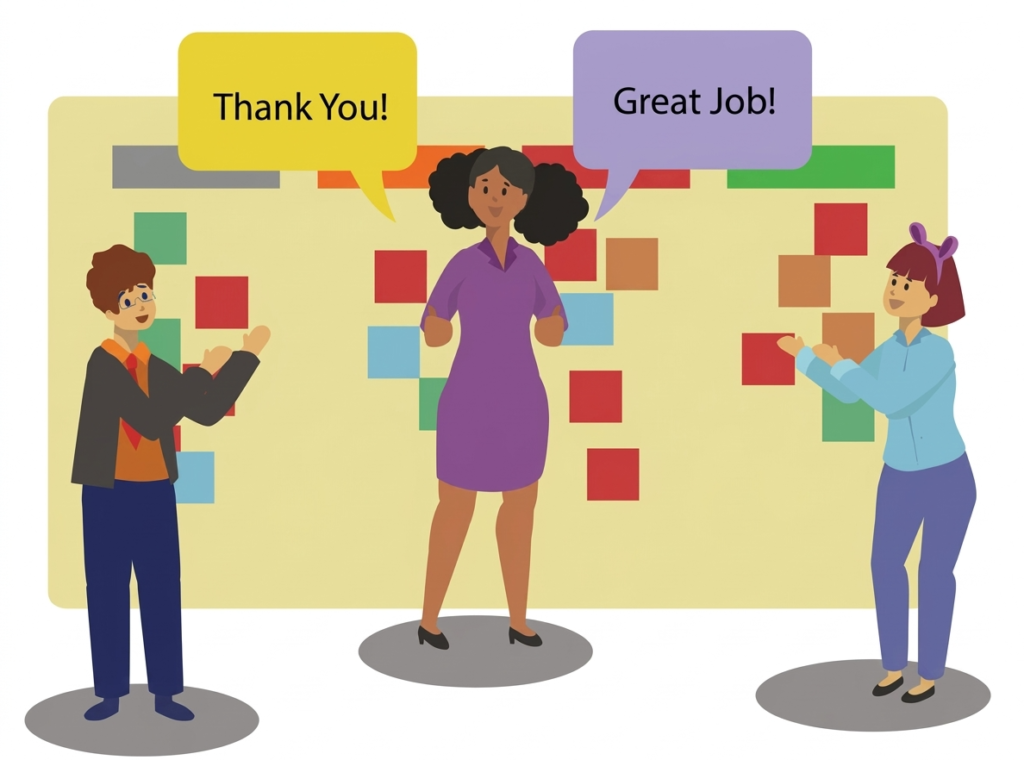
A simple “thank you” or public appreciation of your team members can go a long way in boosting their morale.
Additionally, create a positive and inclusive work environment. Foster a culture of trust, collaboration, and open communication. Encourage creativity and innovation by giving your team the freedom to experiment and take calculated risks. Remember, a team that feels valued and empowered will be motivated to deliver their best work.
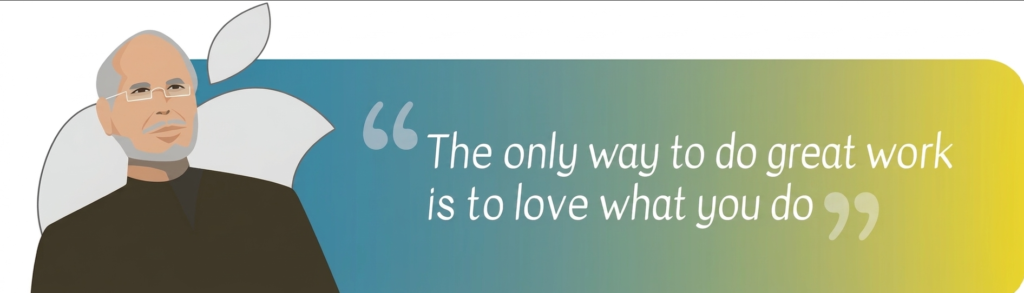
As Steve Jobs once said, “The only way to do great work is to love what you do.” So, inspire your team, unleash their potential, and watch them thrive.
In the fast-paced world of product development, tough decisions are inevitable. As a good product owner, you must have the courage and conviction to make those decisions, even when they are challenging.
Decisiveness is key to maintaining momentum and keeping the project on track. Trust your instincts, gather relevant data and insights, and be confident in your judgment. Avoid analysis paralysis and the trap of seeking perfection. Sometimes, a well-informed decision made in a timely manner is better than waiting for perfect information.
Remember, the goal is to maximize the value of the product and deliver exceptional outcomes. Embrace the responsibility of making difficult choices and communicate them effectively to your team. Your ability to make tough decisions will earn you the respect of your team and stakeholders alike.
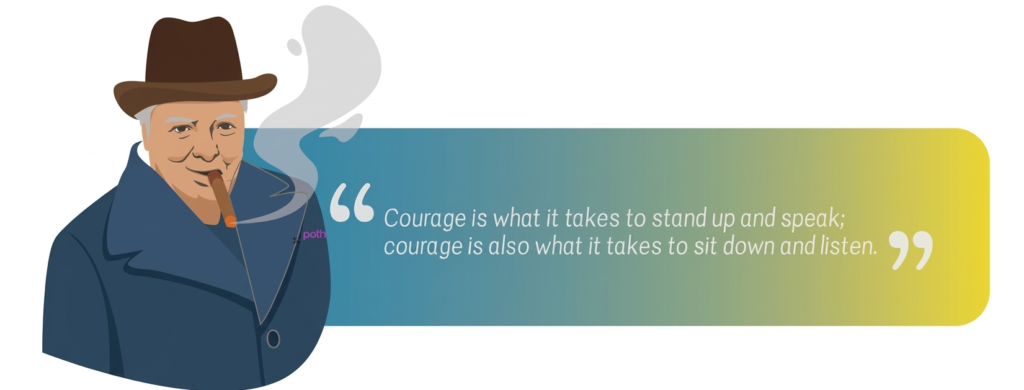
As Winston Churchill once said, “Courage is what it takes to stand up and speak; courage is also what it takes to sit down and listen.” So, be decisive, listen to different perspectives, and make the hard decisions that propel your project forward.
Being a good product owner means understanding the intersection of business and technology and taking an economic view of project decisions. It’s not just about building features; it’s about delivering value and maximizing return on investment.
Consider the cost-benefit analysis of each decision and prioritize features that provide the most significant impact. Collaborate closely with stakeholders to align business goals with technological capabilities. Remember, it’s not about building everything, but rather delivering what brings the most value to the customer and the business.
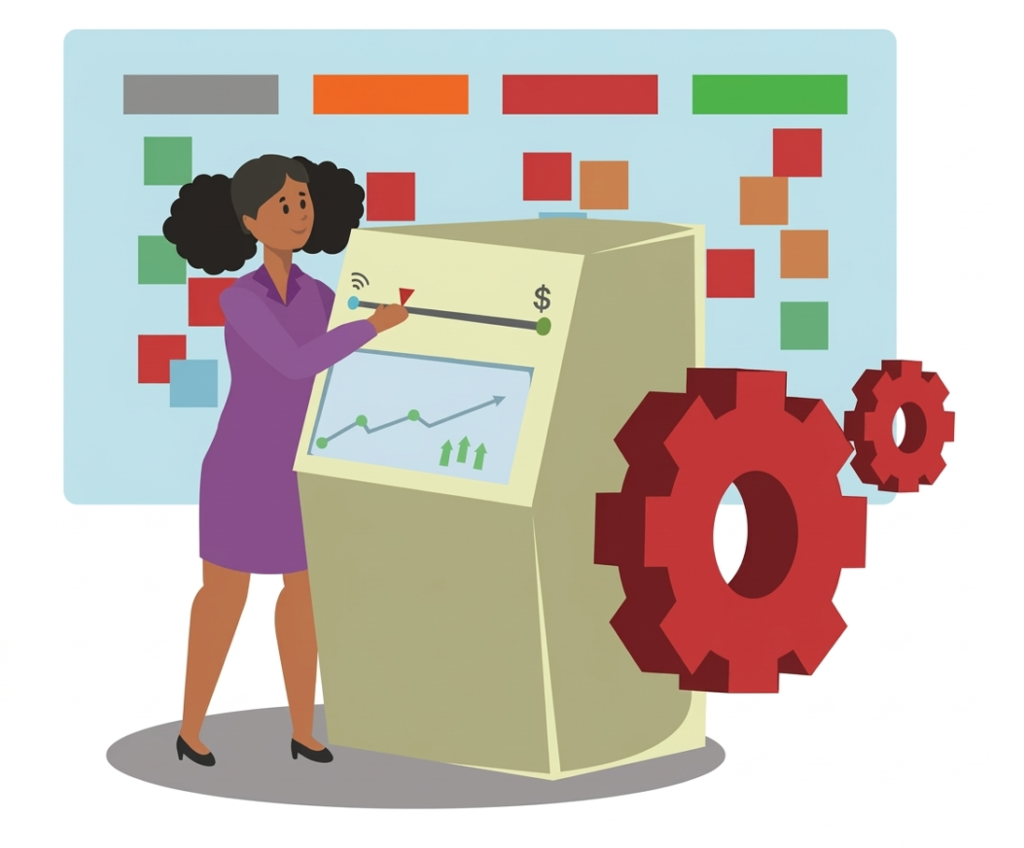
Strive for efficiency and optimize resources by eliminating waste and focusing on high-value activities. Continuously evaluate and reassess the product’s market viability and adjust your strategy accordingly. By taking an economic view, you can ensure that your product remains relevant, competitive, and commercially successful.
As Jeff Bezos famously said, “The best customer service is if the customer doesn’t need to call you, doesn’t need to talk to you. It just works.” So, as a product owner, keep an eye on the bottom line and work towards maximizing the value of your product.

Building good relationships with stakeholders is crucial for the success of any product owner. It’s not just about delivering a product; it’s about creating long-term partnerships that drive continuous improvement and customer satisfaction. As Helen Keller once said, “Alone, we can do so little; together, we can do so much.”
When you collaborate closely with stakeholders, you tap into their expertise, leverage their insights, and align your product with their needs and expectations. By fostering strong relationships based on trust and mutual respect, you create a network of support and advocacy that can propel your product to new heights.
This does require active effort and dedication. Take the time to understand their goals, challenges, and constraints. Show genuine interest in their perspectives and demonstrate that their input is valued.
Regularly update them on the progress of the product and seek their validation and endorsement. Think of stakeholders as your allies on the journey towards product excellence. Involve them early on, seek their feedback, and listen to their suggestions.
Engage in open and transparent communication, and be responsive to their concerns and priorities. Remember, the success of your product is not achieved in isolation. It’s the result of collaboration, teamwork, and shared vision.
Good product owners possess a unique blend of skills and qualities that enable them to drive success. By being accessible, visionary, collaborative, and decisive, they inspire their teams to achieve greatness. They prioritize effectively, communicate with impact, and build strong relationships with stakeholders. They balance business and technology, always striving to maximize value. In a rapidly changing world, they adapt, learn, and grow. As product owners, they have the power to transform products, teams, and lives. Embrace these qualities, and unleash your potential as a remarkable product owner.
My thoughts and ideas have been influenced by interacting, studying and working with Jeff Patton, Kenneth Reubin and Mike Cohn
If you’re leading a high-stakes initiative – in tech, AI, or innovation – OutcomeEdge is here to make sure it actually lands.
We partner with visionary leaders ready to move fast, align their teams, and deliver real impact.
You’ve got great people. But results are stuck. Our Outcome Discovery workshop reveals the root causes behind delivery slowdowns, misaligned priorities, and team fatigue.
Too many teams are overbuilt, underpowered, or unclear. We help you design outcome-focused pods: right size, right skills, right rituals.

Agile Coach
I’m a leader who serves as an Agile Coach in organizations.
I help senior leadership plan long-term strategic decisions while embracing the Agile mindset.
I also work with teams to help them become self organizing on their journey of providing value to the customers.
I see my clients as creative, resourceful, and whole and I’m here to walk alongside them to achieve business outcomes.

Transformation Partner (Agilonomics)
Amitabh (Amit) Sinha is a global transformation leader who helps organizations supercharge their teams and eliminate dysfunctions. Drawing on Patrick Lencioni’s Five Dysfunctions of a Team framework, Amit guides teams to move up the maturity curve—building trust, fostering accountability, and aligning around outcomes.
As Founder of Agilonomics, he has enabled Fortune 500 companies and high-growth organizations to set up teams the right way—establishing processes that actually work, scaling collaboration across business and technology, and introducing the right tools with the right practices.
In partnership with Recro, Amit ensures that every team built through Recro is not only staffed with top talent, but also equipped to function as one unit, deliver consistently, and create lasting impact.